

How to Install and Maintain Your Billet Wheels the Right Way
The Ultimate Guide for Custom Truck Enthusiasts
At Nexus Truck Upgrades, we know your billet wheels are more than just a set of rims. They’re a statement. Whether you’re going for a clean show build or a tough daily driver, proper installation and care are critical to keeping your wheels looking and performing their best.
This guide will walk you through a complete step-by-step installation process, give you key wheel maintenance tips, and outline what not to do with billet wheels, especially if you want to protect your investment.
Section 1: Installing Billet Aluminum Wheels
1. Inspect Before Mounting Tires
Check the wheel tag: Each billet wheel should come with a tag attached to the bolt pad. Read it before proceeding. It contains important warranty information.
Confirm your order: Double-check that the size, finish, and offset or backspacing match what you ordered.
2. Test Fit to Your Hub
Mount each wheel without tires to ensure proper fitment and clearance, including brake calipers and hub bore.
3. Use the Right Lug Nuts
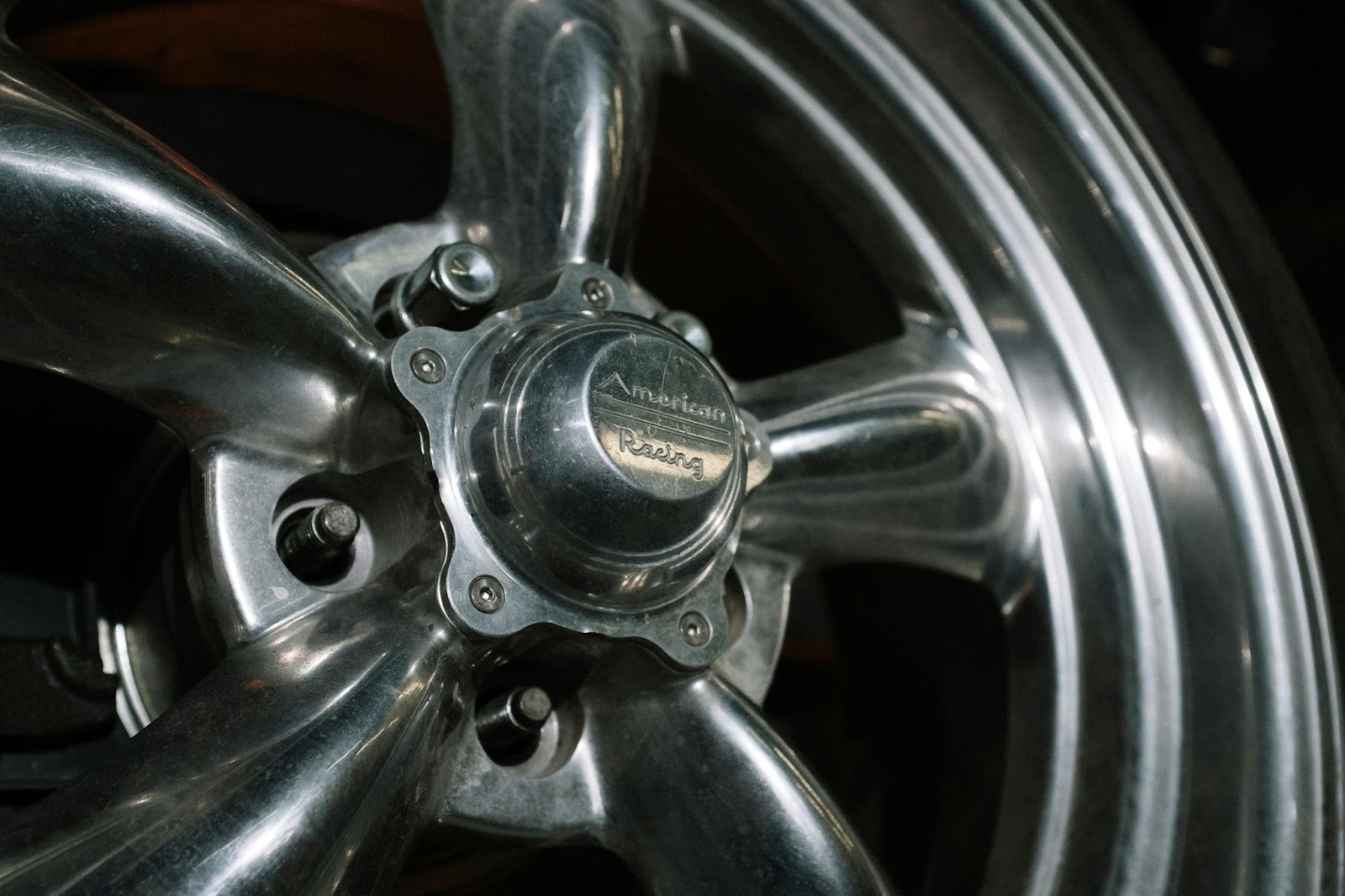
Make sure your lug fasteners match the thread pitch and seat type:
– Tapered seat
– Ball seat
– Mag shank
Mismatched nuts won’t seat correctly and can cause the wheel to come loose while driving.
4. Mount and Balance Tires
Once verified, mount your tires and ensure each is professionally balanced.
Consider getting a wheel alignment if this is a new setup or suspension upgrade.
5. Torque Specs Matter
For optimal performance, tighten fasteners to the following torque specifications:
- 7/16″ fasteners: 70 to 80 ft. lbs.
- 1/2″ fasteners: 75 to 85 ft. lbs.
- 12mm fasteners: 75 to 85 ft. lbs.
- 14mm fasteners: 85 to 95 ft. lbs.
Recheck torque after 100 miles and again during regular maintenance like oil changes.
Modular Wheel Caution: Read This First
If you’re running multi-piece billet wheels (e.g., 2 or 3-piece modular designs):
– Never touch the small assembly bolts. They are factory-torqued to 25 ft-lbs.
– Avoid tire machines contacting the silicone seal between rim halves. Damaging this seal can cause air leaks.
– If a bolt appears loose, contact the manufacturer for instructions. Do not retighten it yourself.
Section 2: Billet Wheel Care and Maintenance Tips
Polished Aluminum Surfaces
Wash with mild soap and water; dry with a soft cotton cloth.
Restore shine with a quality paste polish like Mother’s Mag & Aluminum Polish.
Avoid “spray-on” or “safe-for-all” cleaners. These often dull or etch the finish.
For extra protection, apply a coat of carnauba or Teflon wax.
Brushed Aluminum Wheels
Same wash method: soap and water, followed by a soft dry.
Strongly recommended: clear powder coat option for easier upkeep and stain resistance.
Powder-Coated Surfaces
Stick to soap and water. Some car washes use harsh solvents that can harm powder coat.
Finish with wax for added protection, especially in harsh climates.
What Not to Do With Billet Wheels
Avoiding these common mistakes can save you time, money, and warranty headaches:
– Do not use abrasive cleaners or pads. They’ll scratch or dull the finish.
– Don’t skip the torque wrench. Overtightening with an impact gun can warp wheels or strip threads.
– Never modify the wheels. Drilling, machining, or refinishing them will void any warranty.
– Don’t ignore tire pressure. Underinflation on low-profile tires leads to curb rash, sidewall failure, and reduced ride quality.
– Avoid winter road salt without proper coating. Raw aluminum is vulnerable to pitting and corrosion.
Final Thoughts
Your billet wheels are built to turn heads, but only if they’re treated with care. By following these steps, you’ll not only preserve their performance and appearance, but also protect your investment long-term.
Need more guidance on billet wheels, custom suspension setups, or matching tires? Contact the experts at Nexus Truck Upgrades. We’re here to help you build it right.